
Natural Stone Materials: Types, Benefits, and Choosing the Right Stone for Your Project

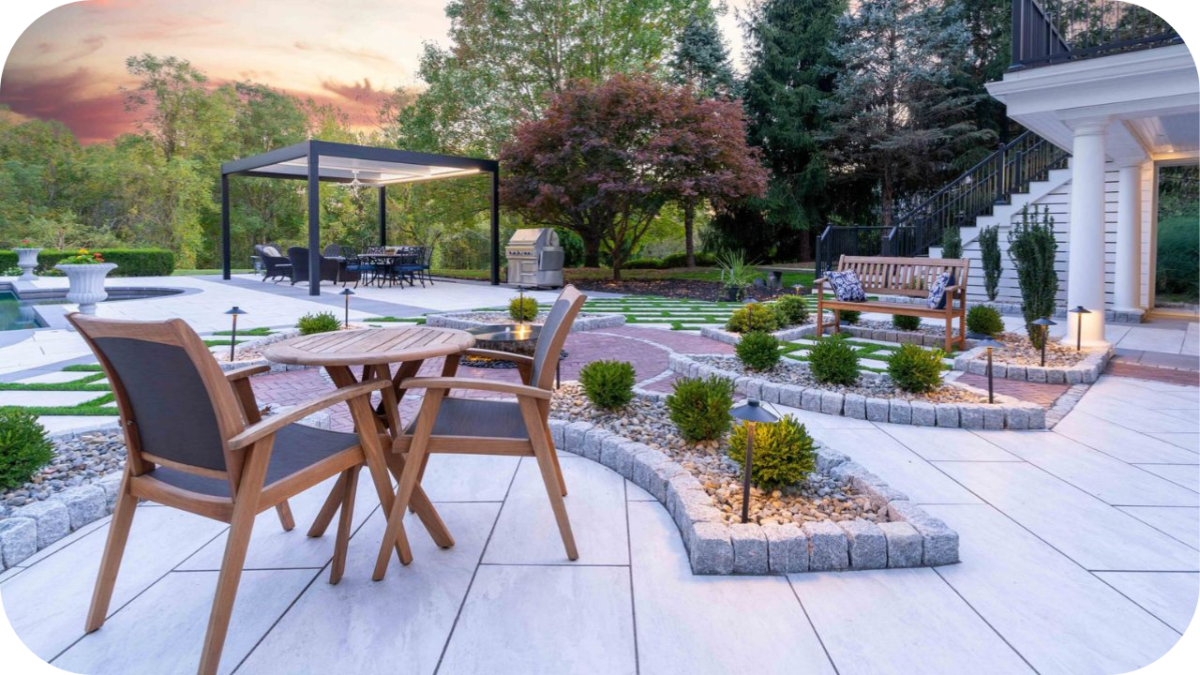
Natural stone is widely used in Australian homes because it offers lasting beauty, strength, and natural character in both indoor and outdoor spaces. Its variation and durability suit landscapes, feature walls, and architectural design. This guide explores Limestone, Bluestone, Granite, Travertine, Sandstone, Marble, Porphyry, Quartzite, and Quartz.
Splendour in Stone’s understanding is shaped by real experience. Founder Jordan Hill travelled through Egypt and Peru, witnessing hand-worked Limestone at the Pyramids of Giza and the precise Granite structures of Machu Picchu. These encounters formed a deep respect for authentic, high-quality stone.
With that background, it becomes easier to understand what natural stone is and why it matters today. This foundation leads into a closer look at how natural stone forms.
What Are Natural Stone Materials?
Natural stone forms over long geological periods as minerals and sediments compress under heat and pressure. This creates colours, textures, and structural qualities that manufactured products cannot match, giving Australian homes authenticity and natural variation in every piece.
Key characteristics such as durability, density, and porosity determine suitability. Granite, Limestone, and Travertine perform well for both paving and walling. Sandstone, Quartz, and Travertine support walling applications, while Granite, Limestone, Travertine, Quartzite, Marble, Bluestone, and Porphyry excel in paving. Cobblestones offer extra strength for driveways and pathways.
Natural stone outlasts man-made materials, maintaining colour and form with proper care. Its longevity, recyclability, and low processing make it a sustainable choice. Capable of handling heat, moisture, and coastal exposure, it remains ideal for patios, pools, pathways, and architectural features.
Main Types of Natural Stone Used in Australian Homes and Landscapes
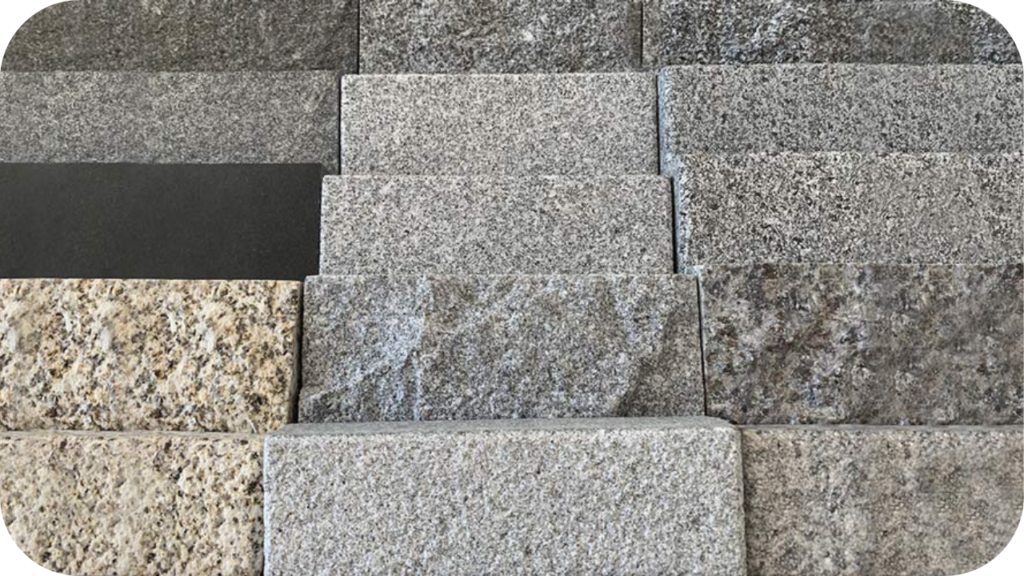
Natural stone offers a wide variety of colours, textures, and strengths, making each material suited to different architectural styles and project needs. The following stones represent the most trusted options for paving, walling, and feature applications across Australia.
1. Limestone
Limestone offers natural warmth with soft textures that complement relaxed Australian architecture. It performs well in both paving and walling, maintaining strength while developing gentle character over time. Its subtle tonal variation blends seamlessly into outdoor landscapes and refined indoor environments.
Paving options like Loch Limestone and walling varieties such as Jamieson Limestone demonstrate how this stone adapts across different spaces. With sealing and simple cleaning, limestone matures gracefully and retains its natural appeal. Its calm tones and versatility make it one of the most timeless choices for homes and landscapes.
2. Bluestone
Bluestone provides enduring performance with a cool colour palette suited to Melbourne homes. Its dense composition handles changing weather and frequent foot traffic with ease. Whether used for pathways, patios, or pool surrounds, it delivers a modern, consistent finish with lasting appeal.
Examples like Honed Bluestone and textured options such as Flamed Bluestone help highlight its flexibility across outdoor applications. Regular rinsing and occasional sealing preserve its colour and surface structure. Bluestone is well-suited to both contemporary and classic designs across Victoria.
3. Granite
Granite stands out for longevity due to its exceptionally dense mineral makeup. It handles heavy loads, outdoor exposure, and high-use areas without compromising appearance. Available in several textures, it suits contemporary and traditional designs while delivering reliability across paving and walling applications.
Paving examples like Charcoal Granite and walling varieties such as Buffalo Granite show the depth of colour and texture available. Routine cleaning with mild products maintains clarity and keeps the surface performing well. Granite continues to offer long-term value with very little change in appearance over time.
4. Travertine
Travertine brings timeless character through warm tones and natural surface movement. It remains comfortable underfoot in sunny outdoor settings, making it ideal for courtyards and poolside areas. Its versatility extends to walling, creating welcoming spaces with gentle, understated beauty.
Paving varieties such as Silver Travertine and walling options like Sorrento Travertine demonstrate its soft layered texture. Basic cleaning and sealing help maintain its surface quality and warm colour profile. Travertine is a reliable choice for outdoor areas that benefit from a relaxed and elegant aesthetic.
5. Sandstone
Sandstone introduces organic charm with earthy colours that pair naturally with Australian gardens and landscapes. Once sealed, it withstands outdoor conditions while preserving rich texture. It is often chosen for retaining walls, facades, and features that call for relaxed, inviting visual softness.
Walling examples like Charlotte Sandstone showcase its gentle tones and natural sediment layers. It suits low to moderate traffic zones where its softer surface can be appreciated. Simple washing supports its patina and helps maintain long-term character.
6. Marble
Marble delivers refined elegance with its distinctive veining and polished finish. Although commonly used indoors, some varieties suit outdoor designs when professionally installed. It elevates feature paving, architectural details, and interior spaces with striking visual depth and lasting aesthetic impact.
Examples such as Maya Blue Marble and Ocean Grey Marble show how its tones enhance both modern and classic spaces. Gentle cleaning and suitable sealing protect its natural patterning and maintain durability. Marble is best used in spaces where its sculptural beauty can be preserved.
7. Porphyry
Porphyry excels in demanding spaces thanks to its dense structure and naturally textured surface. It is a preferred option for driveways and pathways that require toughness and stability. Its vibrant colour range brings a European touch to both residential and commercial landscaping.
Examples like Crazy Porphyry and linear options such as Filetti Porphyry help show its mineral-rich texture. It manages temperature changes and outdoor exposure with minimal effort. Occasional washing restores clarity and protects the natural crystalline detail.
8. Quartzite
Quartzite offers exceptional hardness and is formed through the transformation of sandstone over time. Its rich colours and crystalline patterns enhance modern landscapes. It performs consistently well in outdoor paving, poolside settings, and busy zones where durability and striking visual detail are equally important.
Varieties such as Andorra Quartzite highlight soft greys and ochres with natural split textures. This stone benefits from simple rinsing and sealing to support long-term clarity. Quartzite brings mineral brightness to landscaped areas that require both strength and visual interest.
9. Quartz
Quartz creates a modern definition with clean colouring and a refined finish, ideal for walling. It suits contemporary designs that favour crisp lines and minimalistic style. Its durability and light reflective qualities ensure bold, enduring facades and interiors across a variety of architectural applications.
Options like Shoreham Quartz and Blue Ridge Quartz demonstrate balanced tones that complement structured designs. Quartz performs well with routine cleaning and occasional sealing. It supports modern architecture with consistent colouring and strong visual presence.
10. Cobblestones
Cobblestones deliver outstanding strength through small, interlocking pieces crafted from stones such as Bluestone, Porphyry, orGranite. Their compact format distributes weight effectively, making them ideal for driveways and pathways. Natural colour variation creates distinctive patterns that enhance outdoor settings with depth and character.
Examples like Porphyry Cobbles and Bluestone Cobbles illustrate how well they settle into high-traffic areas. They remain stable across changing seasons and require minimal maintenance. Light sweeping and rinsing help preserve their natural charm year after year.
Key Benefits of Natural Stone for Australian Homes
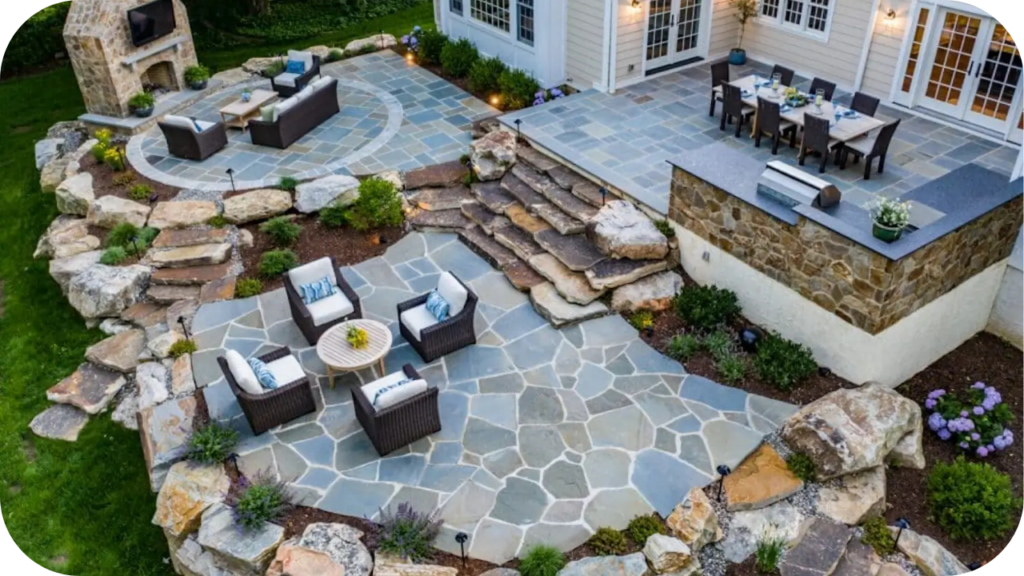
Choosing natural stone offers practical advantages and visual character, providing long-term value for both residential and landscape projects. These benefits help homeowners understand why natural stone remains one of the most trusted materials across Australia.
1. Long Lasting Durability
Natural stone materials are known for strength, structural stability, and resistance to weather, which makes them dependable across changing Australian conditions. They maintain visual quality over decades and support high-use environments confidently when correctly installed and maintained.
2. Timeless Visual Appeal
Natural stone offers colours, textures, and mineral patterns that hold their character over time. Its authentic appearance enhances both indoor and outdoor spaces, creating designs that feel grounded, refined, and visually consistent as they mature through natural weathering.
3. Versatility Across Applications
Natural stone suits many project types, from pools and pathways to feature walls and architectural details. It adapts to varied styles, ensuring homeowners can achieve modern, relaxed, or traditional designs while working confidently with materials suitable for both paving and walling.
4. Low Maintenance Requirements
Most natural stones require only simple cleaning and occasional sealing to maintain colour and surface integrity. Their ability to withstand heat, moisture, and regular use reduces long-term upkeep and supports worry-free performance in residential and landscape environments.
5. Sustainable and Environmentally Responsible
Natural stone involves minimal processing compared with manufactured products, reducing environmental impact and resource use. Its longevity means fewer replacements, and many stones can be repurposed or recycled, supporting sustainable building practices across residential and landscaping projects.
6. Suitable for Australian Climate
Natural stone handles strong sunlight, heavy rain, and coastal conditions with consistent performance. Its natural density and mineral structure help resist fading, cracking, and heat absorption, making it a reliable material for outdoor living areas across varied Australian climates.
7. Enhances Property Value
High-quality stonework creates a premium finish that increases visual appeal and perceived value. It contributes to long-term investment returns, as durable surfaces, refined textures, and lasting character elevate the overall standard of homes and landscaped environments.
How to Select the Best Stone for Your Home or Landscape
Choosing the right stone depends on understanding how materials perform in real spaces. The following breakdown guides thoughtful decision-making by outlining key considerations that shape both function and long-term visual appeal.
1. Assess Your Project Type
Different spaces demand different strengths. Driveways need dense stones like Granite or Porphyry, while poolside areas favour cool-toned options such as travertine. Consider where the material will sit and how heavily it will be used to ensure confidence in long-term function.
2. Match Your Stone to Climate Conditions
Australia’s weather patterns vary, so choosing a stone that suits sunlight, heat and exposure is essential. Darker stones handle warmth confidently, while lighter stones brighten shaded areas. Understanding how each option responds to moisture, temperature, and seasonal changes ensures lasting performance in exterior settings.
3. Define Your Desired Aesthetic
Every stone contributes a distinct mood. Bluestone suits modern minimalism, Sandstone enhances relaxed organic designs, and Marble lifts architectural spaces with refined detail. Focusing on tone, texture, and visual character helps create a cohesive style that feels intentional, elegant, and naturally integrated in the surrounding environment.
4. Consider Maintenance Expectations
Some stones require regular sealing, while others need little more than sweeping and rinsing. Limestone and travertine benefit from gentle care, while Granite withstands heavier use with ease. Choosing a material that aligns with your preferred maintenance routine ensures the surface stays presentable throughout its lifespan.
5. Align Your Choice With Budget
Different stones are priced differently depending on rarity, processing, and availability. Travertine offers excellent value, Limestone suits mid-range budgets, and Granite reflects premium performance. Understanding cost brackets early supports clear planning and ensures your selection meets both aesthetic and financial expectations.
How to Maintain Natural Stone for Long-Lasting Beauty
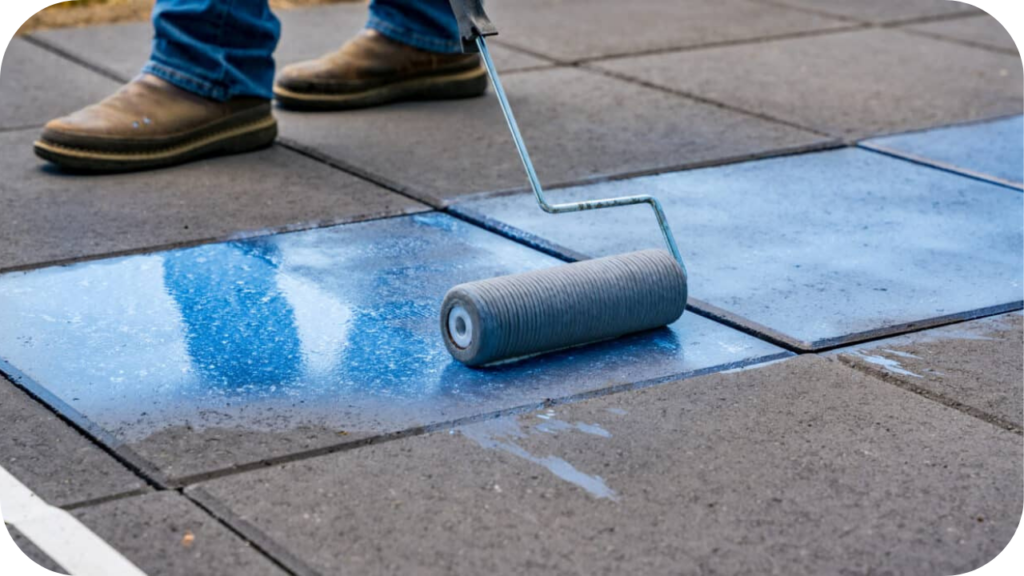
Consistent upkeep preserves the colour, structure, and long-term performance of natural stone. These simple maintenance practices help each material age gracefully and continue performing reliably across Australian landscapes and architectural settings.
- Seal surfaces regularly: Applying the correct sealer reduces moisture absorption, protects colour variation, and strengthens durability. Reapplying as needed ensures the stone remains resilient, visually consistent, and better equipped to handle ongoing outdoor exposure.
- Clean gently and consistently: Using mild detergents and soft tools prevents surface damage, lifts soil, and removes organic buildup. Regular cleaning helps preserve natural texture, maintain tonal clarity and keep each stone type looking refined.
- Manage weather exposure: Providing shade, drainage, or protective barriers minimises stress from heat and moisture. Reducing prolonged saturation or extreme temperature contact supports structural integrity and helps maintain a stable, even surface appearance.
- Avoid harsh chemicals: Strong cleaners can weaken sealants and alter natural textures. Choosing pH-balanced products suited for stone care protects colour quality, prevents mineral disruption, and helps maintain long-term surface performance.
- Reseal when absorption changes: Increased water absorption or uneven colouring signals that the protective layer is wearing down. Timely resealing restores durability, supports weather resistance, and keeps the stone performing reliably across changing conditions.
- Maintain joints and bedding: For paving and cobblestones, keeping joints filled and stable prevents shifting and water pooling. Well-supported bedding enhances durability, strengthens surface structure, and maintains a consistent finish across all high-use areas.
- Check walling stability: Inspecting walling stones for movement, mortar wear, or early settling helps identify issues before they escalate. Early repairs support structural strength, maintain visual alignment, and preserve the integrity of feature walls in changing weather.
Why Splendour in Stone Is the Trusted Choice for Natural Stone Materials
Selecting natural stone becomes far more rewarding with guidance from experts who understand its origins, performance, and beauty. The points below highlight why Splendour in Stone remains a trusted specialist.
- Materials sourced through global exploration: Jordan’s experiences across Egypt, Peru, Cambodia, and Rome shaped a deep understanding of authentic stonecraft, guiding the careful selection of materials chosen for durability, texture, colour variation, and architectural relevance.
- A foundation built on hands-on craftsmanship: With training in landscape construction and years specialising in stonework, the team brings practical insight that supports confident decisions and helps match each stone to the right environment and design intention.
- Premium stones from around the world: The curated range includes granite, limestone, bluestone, travertine, marble, sandstone, quartz, and quartzite, each selected for consistent quality, reliable performance, and long-term suitability in varied Australian climates and architectural styles.
- A Melbourne showroom designed for real decision making: Seeing stones in person helps homeowners and designers compare textures, tones, and finishes, allowing them to select materials that align with their project vision while feeling informed and supported throughout the process.
- Guidance from a knowledgeable team: Every project receives tailored support, ensuring each stone recommendation considers climate, usage, maintenance needs, and aesthetic goals, allowing clients to choose with clarity and confidence at every stage of planning.
- Long-standing commitment to authenticity and quality: Each material is reviewed for structural integrity, colour consistency, and durability, ensuring only stones with proven performance are offered, supporting reliable outcomes for both residential and commercial applications.
- Support for projects of all sizes: Whether building walls, pathways, landscaping features or full outdoor environments, Splendour in Stone offers samples, advice, and dependable sourcing to help clients achieve cohesive, long-lasting natural stone results.
Bring Your Natural Stone Vision to Life
Natural stone offers a timeless connection to landscapes and civilisations that shaped architectural history. Each material brings a unique character and enduring performance, allowing Australian homes to feel grounded, refined, and built for long-term living.
Splendour in Stone’s approach blends global insight with hands-on craftsmanship, ensuring every material is chosen for authenticity, durability, and visual integrity. This gives homeowners and designers confidence when creating meaningful spaces.
Whether enhancing a feature wall or transforming an outdoor setting, the right stone defines the entire experience. View the full range or speak with our team for tailored guidance.
FAQs About Natural Stone Materials
Find answers to the most common natural stone questions and make informed choices for your home or landscape project.
1. Which stone lasts the longest?
Granite and porphyry are among the most durable due to their density and natural resistance to weather, heat, and heavy use. They perform exceptionally well in Australian climates and maintain structural integrity for decades with minimal care.
2. What stone is best around pools?
Travertine and bluestone are reliable options because they stay comfortable underfoot and perform well in areas exposed to water. Their natural textures provide secure footing and withstand high temperatures, making them ideal for poolside environments.
3. Is natural stone slippery?
Different stones offer different levels of stability based on finish and texture. Flamed, tumbled, or naturally split surfaces provide improved footing. Correct installation and appropriate surface preparation also help ensure dependable performance in wet or high-use areas.
4. Do all stones need sealing?
Most natural stones benefit from sealing, especially in outdoor settings. Sealing helps manage moisture absorption, protects colour, and increases longevity. Some dense stones require less frequent reapplication, but all surfaces perform better with ongoing protection.
5. How do I maintain my stone?
Routine sweeping, gentle washing, and timely resealing are key to preserving natural stone. Avoid strong chemicals and use pH-balanced cleaners to prevent surface damage. Consistent care keeps colour, texture and structure in excellent condition.